






















November 20, 2026
Dcorra
November 20, 2026
,
Dcorra
Modern Dining Room Lighting Ideas: Size, Height and Layers
Quick answer: For a modern dining room, center one light on the table (not the room), make it about one-half to two-thirds as wide as the table, and hang its bottom 30–36 in (75–90 cm) above the tabletop. Round tables suit one round fixture; long tables suit a linear pendant or two to three pendants in a row. Then add a dimmer and a second, softer layer of light from the walls or the table itself.
The dining room is the one room where a single light fixture does almost all the work. It sets the mood for weeknight dinners, lights homework and board games, and becomes the centerpiece when friends come over. Get the size, height and shape right and the whole room looks finished. Get them wrong and even a beautiful fixture looks like it was borrowed from another house.
This guide walks through the decisions in the order that actually matters: shape first, then size and height, then the layers that turn a lit table into a room you want to linger in.
Start with your table, not your ceiling
It is tempting to shop for a light by the look alone, but the table decides almost everything. Before you browse, write down three numbers: the table's length, its width (or diameter), and your ceiling height. With those in hand, most choices become obvious.
One mistake catches a lot of people: the electrical box in the ceiling is rarely centered over the table. Always center the fixture on the table itself. If the box is off, an electrician can move it, or you can use a swag hook to shift a corded pendant across the ceiling.
Round and square tables: one centered fixture
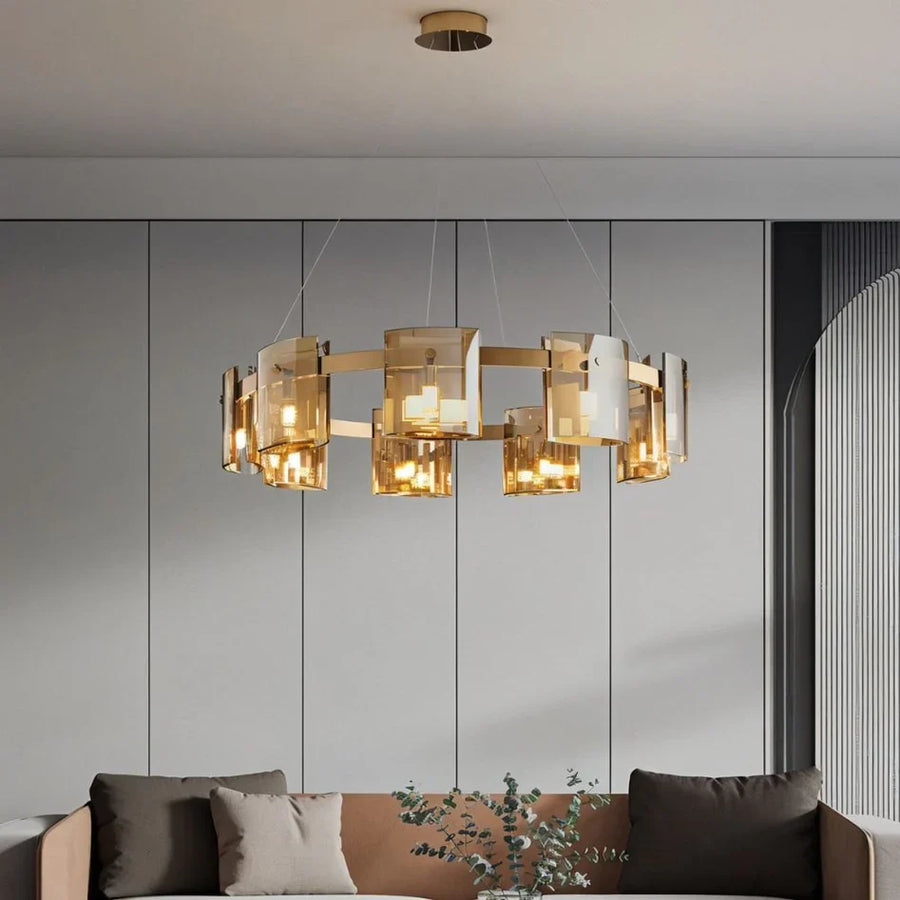
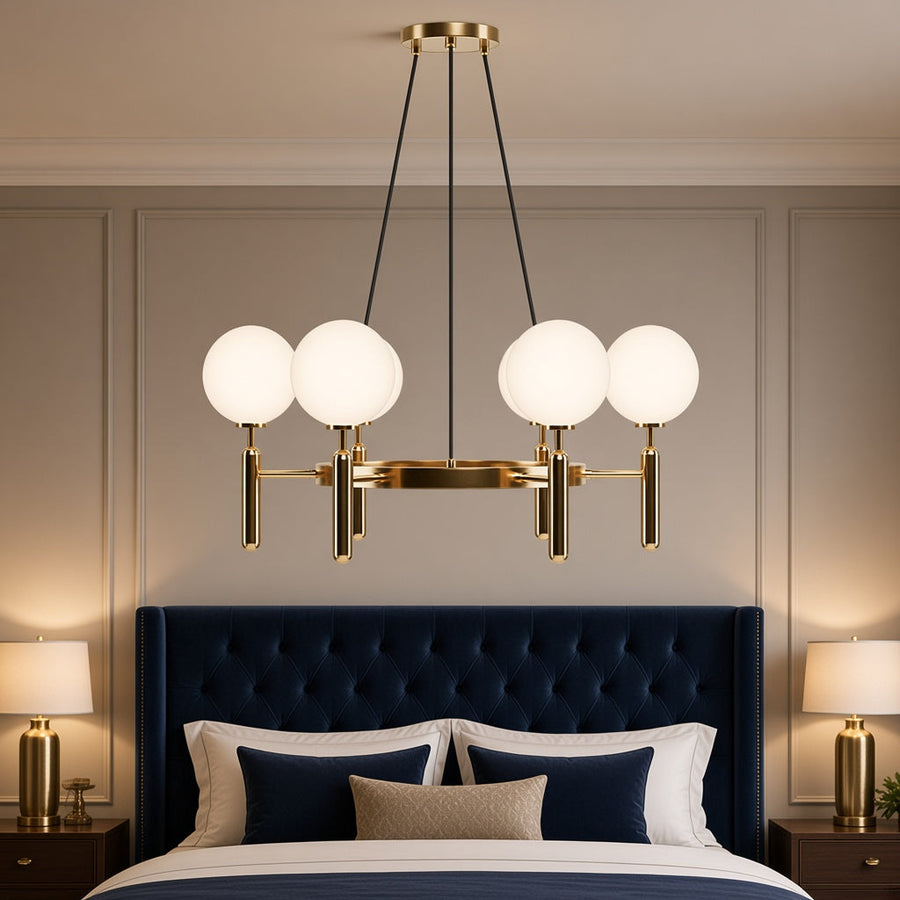
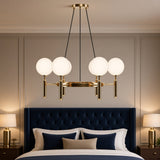
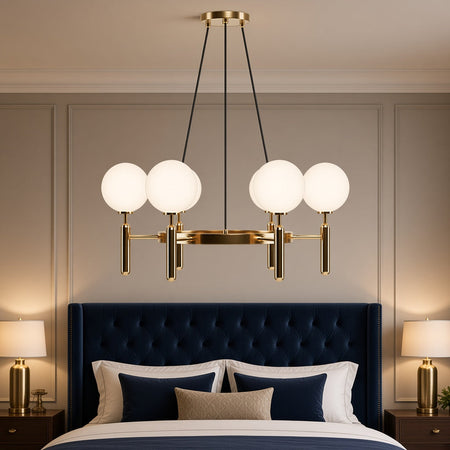
A round or square table looks best under a single round fixture. A row of pendants over a circle fights the shape of the table. A sculptural globe chandelier or a single wide pendant is the natural fit. The Brushed Brass Opal Globe Chandelier is a good example of how this works in practice: its round layout comes in 30 in (75 cm), 37 in (95 cm) and 43 in (110 cm) diameters, with opal glass globes that soften the light.
Long rectangular tables: go linear or repeat
A single round chandelier over a long table lights the middle and leaves the ends in shadow. For a rectangle, you have two clean options:
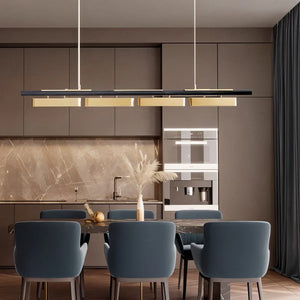
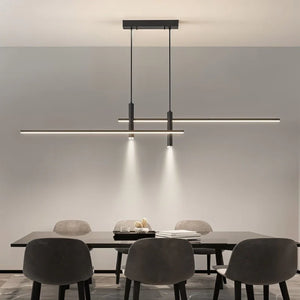
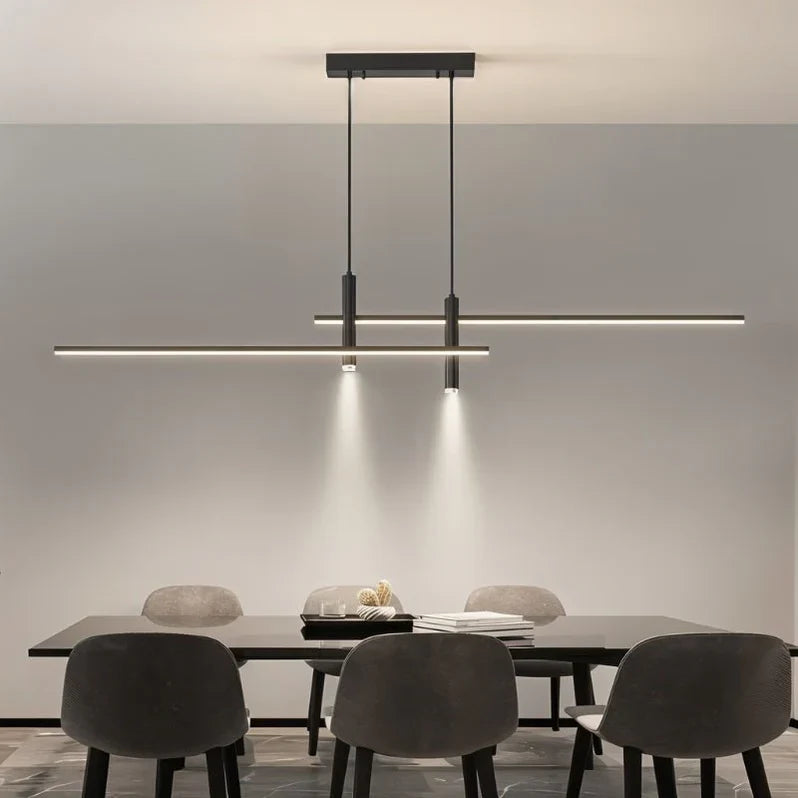
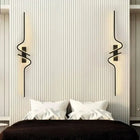
- One linear fixture running parallel to the table. The Modern Linear Pendant Light comes in 31.5 in (80 cm), 39.4 in (100 cm) and 47.2 in (120 cm) lengths, in black or gold, with an integrated LED and an adjustable cord of up to 4.9 ft (1.5 m).
- Two or three matching pendants in a row. Keep the outer pendants at least 12 in (30 cm) in from the ends of the table so the light lands on the table, not on the floor.
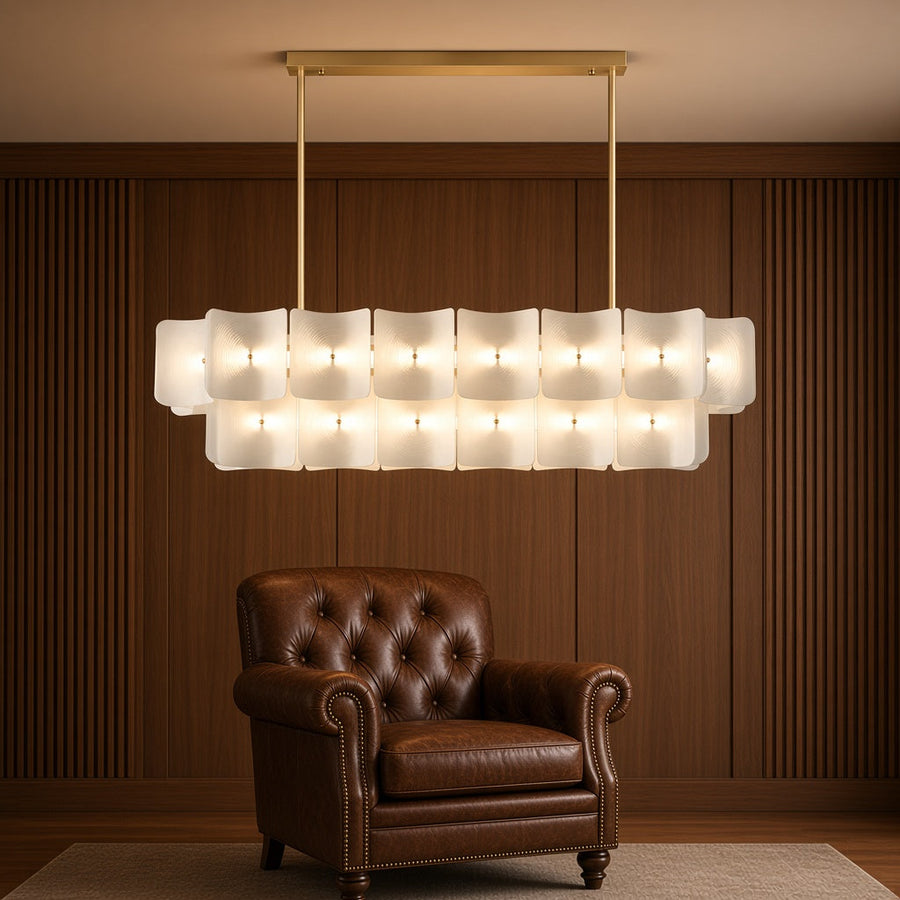
The same brass globe chandelier also comes in a rectangular layout (26 in / 65 cm, 36 in / 90 cm or 47 in / 120 cm long), which is a nice middle path if you want the presence of a chandelier over a long table.
How big should a dining room light be?
The most reliable rule of thumb is to choose a fixture about one-half to two-thirds the width of your table, and to leave at least 6 in (15 cm) between the edge of the light and the edge of the table on each side. A table 36 in (90 cm) wide, for example, suits a fixture of roughly 18–24 in (45–60 cm) across.
For a long table using a linear light, the same idea applies to length: aim for a fixture noticeably shorter than the table so there is clear tabletop at each end. If you are torn between two sizes, the larger one usually reads better in a modern room with clean walls, as long as it keeps that 6 in (15 cm) margin.
Our Lighting Size Guide has the full formulas, including how to size a chandelier for the room itself when it is not over a table.
How high to hang a light over a dining table
Measure from the tabletop, not the floor. Hang the bottom of the fixture 30–36 in (75–90 cm) above the table. That is low enough to pool light on the table and create intimacy, and high enough that people can see each other across it.
On taller ceilings, a common rule of thumb is to raise the light by about 3 in (7.5 cm) for each foot of ceiling above 8 ft. Treat that as a starting point and adjust by eye: sit down at the table and check that nobody is looking straight into a bulb.
Most modern pendants and chandeliers make this easy because the cord, chain or rod is adjustable. Before you order, check two numbers on the product page: the fixture's own height and the maximum drop. Together they tell you whether it will reach the right height on your ceiling.
Lighting a dining room with a low ceiling
"Dining room lighting for low ceilings" comes up again and again in search suggestions, and the answer is reassuring. Over a table, nobody walks underneath the light, so you only need to respect the 30–36 in (75–90 cm) gap above the tabletop. On an 8 ft ceiling, that still leaves room for most pendants.
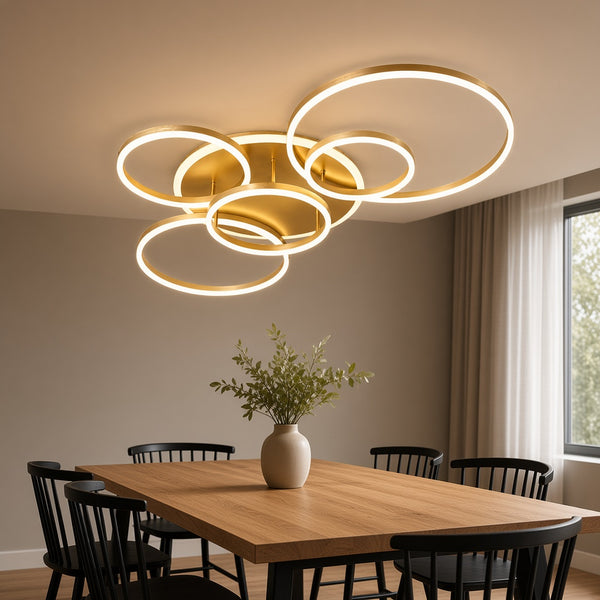
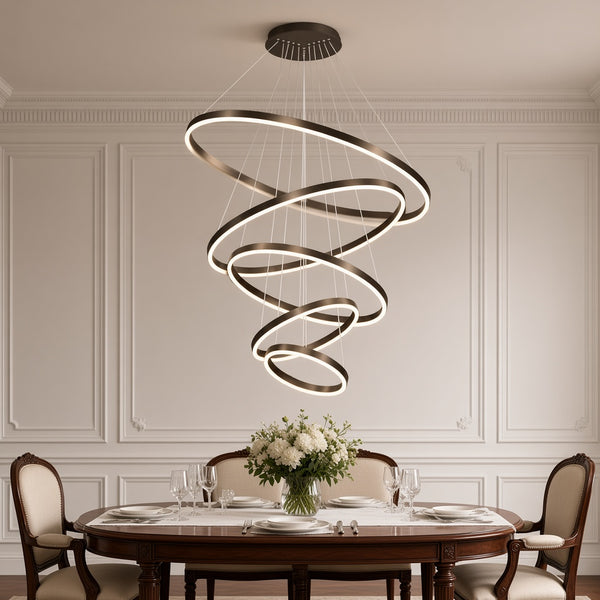
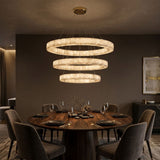
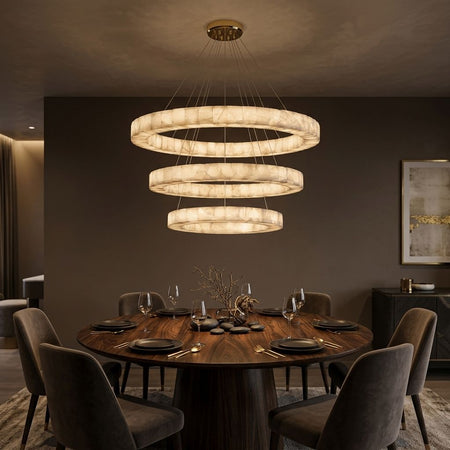
What changes is the shape. Wide, shallow fixtures make a low room feel calmer, while tall, tiered or cascading designs crowd it. A ring design such as the Interlocking LED Rings Ceiling Light mounts directly to the ceiling and stays slim: its depth is 2.4–5 in (6–12 cm) depending on the size, with widths from 22 in (55 cm) to 45 in (115 cm). It is also dimmable, which matters more in a low room because the light source sits closer to your eyes.
Choosing a style that feels modern, not cold
Modern minimalist dining rooms can tip into feeling sterile. The fix is usually in the materials and the quality of the light, not in adding more things.
- Diffused glass or opal shades give a soft, even glow and hide the bulb, which is easier on the eyes during a long meal.
- Warm finishes such as brushed brass or gold balance white walls and pale wood.
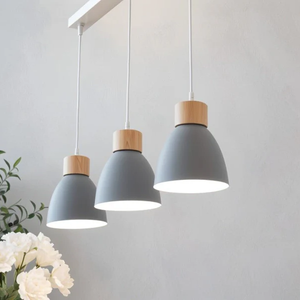
- Color, in small doses, can work beautifully. The layered shades of the Nordic Danish Layered Pendant Light come in nine colors and three diameters, 11.8 in (30 cm), 15.7 in (40 cm) and 19.6 in (50 cm). Two in a row over a narrow table, or one over a small round table, adds a sculptural Scandinavian note without clutter.
Whatever you choose, keep one finish family for the room. If your chandelier is gold, let the wall lights and candle holders echo it rather than introducing chrome and black alongside it.
Layer the light: the step most dining rooms skip
A pendant lights the table. It does not light the room. Without a second layer, the table glows and everything around it falls into darkness, which can feel like eating in a spotlight. Three layers solve it:
- The main fixture over the table, on a dimmer.
- Wall light to give the room soft edges. A pair of sconces on either side of a sideboard or a large piece of art works well. Our guide on how high to hang wall sconces covers placement in detail.
- Light on the table: candles. A set of slim tapers in a Metal Skinny Tapered Candle Stand gives a low, moving light that flatters faces in a way no ceiling fixture can.
Pick the right light color
Warm white, around 2700–3000K, is the classic choice for dining rooms because it makes food, wood and skin tones look inviting. If your dining area is open to the kitchen, you can keep warm white over the table and use a more neutral white over the counters. Our light colour guide explains the differences, and each product page lists the light color options for that fixture.
Finish the table so the light has something to land on
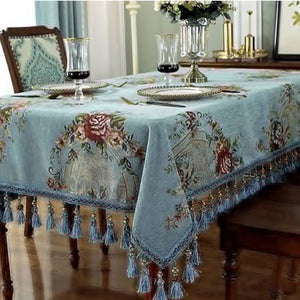
Good lighting rewards texture. A linen or cotton-linen runner, a simple vase and a pair of candles give the light something soft to fall on, and they make the table look set even on an ordinary Tuesday. Browse the tablecloths and runners for a table that feels finished. Keep it to two or three pieces, which is the minimalist way.
If you are carrying the same calm look into the rest of the home, our Japandi bedroom ideas use the same principles: warm light, natural textures and fewer, better pieces.
Ready to compare options? Browse all dining room lighting and filter by shape and size with your table measurements in hand.
Through November 30, code BLACKFRIDAY takes 25% off at Dcorra.
Frequently asked questions
Should I use a chandelier or pendants over a dining table?
Use one chandelier or one large pendant over a round or square table. For a long rectangular table, choose a linear pendant or two to three matching pendants in a row, keeping the outer ones at least 12 in (30 cm) in from the table ends.
How high should a light hang over a dining table?
Hang the bottom of the fixture 30–36 in (75–90 cm) above the tabletop. On ceilings higher than 8 ft, you can raise it slightly, then check from a seated position that no one looks directly into a bulb.
What size chandelier do I need for my dining table?
Choose a fixture about one-half to two-thirds the width of the table, with at least 6 in (15 cm) between its edge and the table edge on each side. A 36 in (90 cm) wide table suits a light about 18–24 in (45–60 cm) across.
What lighting works for a dining room with a low ceiling?
Choose wide, shallow shapes such as rings, drums, flush or semi-flush fixtures, or a slim pendant. Keep the 30–36 in (75–90 cm) gap above the table and add a dimmer, since the light sits closer to eye level.
What color light is best for a dining room?
Warm white, around 2700–3000K, is the usual choice for dining rooms. It makes food, wood and skin tones look warm and relaxed. A dimmer lets you go brighter for everyday tasks and softer for dinner.